By Mahesh Choudhary
Managing Director, Nari Design Premium Saree India
Why Surat Is an Important Destination for Premium Garment Manufacturing
For decades, Surat has stood as the beating heart of India’s textile industry. Mention the city to anyone in the apparel trade and images of massive weaving mills, processing houses, yarn markets and endless rows of wholesale trading hubs immediately come to mind. We have built an industrial city that can process millions of meters of fabric with astonishing speed.
Yet, over the last several years, I have observed a vital transition taking place across our industrial corridors. The global fashion consumer is no longer content with raw yards of unstitched material. The modern market demands instant access to fully realized, impeccably styled, ready to wear silhouettes.
National trade bodies, including the Clothing Manufacturers Association of India (CMAI), have increasingly focused their strategic conclaves right here in Surat, highlighting the urgent need for local manufacturers to transition from traditional fabric and saree trading into high value ready made garment production. For a long term entrepreneur, this shift represents both an immense opportunity and a profound operational challenge. Building a premium garment manufacturing business in Surat requires looking far beyond the loom. It demands an appreciation of the entire manufacturing ecosystem, combined with rigorous financial discipline, original design thinking, and strong corporate management.
The Changing Fashion Market From Unstitched Fabrics to Fully Stitched Premium Garments
Consumer behavior across India and global diaspora markets has shifted dramatically. Today’s discerning buyers whether shopping in elite domestic retail boutiques or ordering online from international metropolises prioritize convenience, impeccable fit, intricate surface ornamentation and complete outfit solutions.
This shift has fueled explosive growth across several high value categories :
- Ready to wear ethnic fashion and designer suits
- Intricately crafted Pakistani style luxury suits and coordinated silhouettes
- Occasion wear, festive edits and bridal adjacent trousseaus
- Modern fusion wear combining traditional embroideries with contemporary cuts
When a customer invests in premium occasion wear, they are not simply purchasing fabric they are buying an emotion a precise fit and a complete aesthetic experience. If a manufacturer fails to recognize this transition, remaining tethered exclusively to low margin unstitched wholesale volumes, they risk missing the most profitable segment of the modern apparel economy.
Start With a Clear Business Vision
Before procuring a single meter of greige fabric or installing a single sewing machine, an entrepreneur must define the structural DNA of their enterprise. Too many businesses enter the Surat market with a vague objective : We will manufacture whatever sells. This lack of focus invariably traps companies in brutal price wars and endless credit cycles.
As an entrepreneur or Managing Director, you must answer fundamental strategic questions:
- Which exact customer segment are we serving ?
- Are we positioned in mass production, premium bridge to luxury or elite couture ?
- Will our operational model lean toward B2B wholesale distribution, direct to consumer (D2C) brand building or a balanced hybrid model ?
- What is our unique design philosophy that separates us from every other player in the market ?
Vision is not a motivational poster on a boardroom wall it is a filter that decides which orders to accept, which markets to enter and which expenses to reject.
Understand the Complete Manufacturing Ecosystem
One of Surat’s greatest competitive advantages is its hyper connected cluster ecosystem. The journey of a premium fully stitched garment is long and complex:
Fabric Sourcing⟶Processing⟶Dyeing⟶Digital/Screen Printing⟶Embroidery⟶Design Development {Fabric Sourcing} {Processing} {Dyeing} {Digital/Screen Printing} {Embroidery} {Design Development}Fabric Sourcing⟶Processing⟶Dyeing⟶Digital/Screen Printing⟶Embroidery⟶Design Development
Downarrow
Pattern Making⟶Precision Cutting⟶Stitching⟶Handwork/Finishing⟶Quality Control⟶Packaging⟶Distribution\text{Pattern Making} {Precision Cutting} {Stitching} {Handwork Finishing} {Quality Control} {Packaging} {Distribution}Pattern Making⟶Precision Cutting⟶Stitching⟶Handwork & Finishing⟶Quality Control⟶Packaging⟶Distribution
A common trap for new entrepreneurs is the impulse to own every single node of this chain on day one. In reality, capital expenditure should be deployed strategically.
You don’t need to own every machine on day one. You need to understand, coordinate, and control the complete manufacturing process.
Surat offers world class specialized job-workers and processing units. A smart Managing Director leverages these existing networks through strict service level agreements, quality benchmarks and rigorous supervision, ensuring capital is conserved for design innovation and brand building.
Product Development and Fashion Designing
In the premium fashion segment, a product’s success is determined months before it touches the sewing machine. Product development must be treated as a disciplined science rather than an afterthought.
Our design philosophy at Kimora Fashion and Nari Design rests on deep creative research. A successful collection begins with global trend forecasting, material selection, custom colour matching and intricate surface development.
- Trend Research vs. Market Imitation : Too many regional manufacturers rely on photographing a competitor’s sample and knocking it off at a lower price point. This practice destroys creative integrity. True product development maps out a deliberate path: investigating unique motifs, developing proprietary prints, engineering custom embroidery densities and pairing them with the correct silhouette and dupatta coordination.
When your design has an authentic point of origin, you command pricing power.
Build a Strong Design Team
A creative department cannot operate in an isolated vacuum. In a successful manufacturing firm, the design team must work in lockstep with the production line, the purchase manager and the sales head.
A truly capable fashion designer must understand more than just sketching silhouettes; they must master fabric drape, shrinkage behavior, embroidery constraints, production costing and target consumer expectations. When designers understand factory floor realities, their creative concepts translate seamlessly into profitable, high velocity commercial products without endless rounds of costly sampling rejections.
Manufacturing Excellence Cutting, Stitching and Finishing
When transitioning from fabric trading to fully stitched garment manufacturing, the factory floor becomes your temple of quality. Excellence here is non negotiable.
- Fabric Inspection : Every incoming lot must be rigorously checked for shade variations, weaving flaws and shrinkage rates before a single layer is laid on the cutting table.
- Precision Cutting : Utilizing automated marker planning and laser or straight knife cutting ensures absolute dimensional consistency across multi size grading runs.
- Stitching & Assembly : Operator training and specialized machine attachments such as binding folders, edge guides and specialized lockstitch/overlock setups guarantee clean seam integrity.
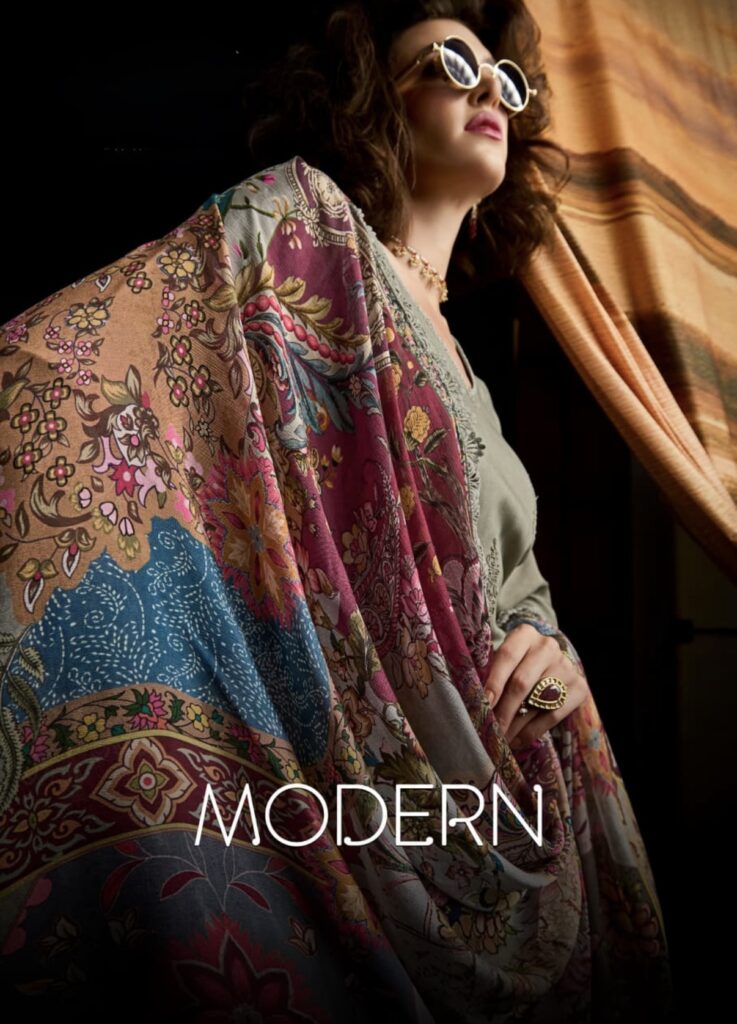
- The Power of Finishing : As seen in elite collections where rich textures meet precise tailoring, what separates an ordinary garment from a luxury piece is the final finishing. Thread trimming, steam ironing, structured shoulder padding, precise measurements and pristine folding transform raw assembly into a retail ready masterpiece.
Quality Control Is a Management Responsibility
Quality defects do not happen on the shop floor they happen in the systems that precede production. Many companies rely solely on a final inspection gate to catch errors. By that stage, defective fabric has already been cut, stitched and processed turning potential profit into scrap loss.
Quality is not simply the responsibility of the quality control department. It is the responsibility of the entire management system.
Every checkpoint from greige fabric receiving and dye-lot approval to multi head embroidery registration and mid line stitching audits must operate under strict statistical process control. When quality is embedded into every operational tier, rejections vanish and customer trust multiplies.
Management The Real Foundation of a Growing Fashion Company
As an enterprise scales, the Managing Director must undergo a personal evolution. You cannot micromanage every pattern, purchase order and dispatch note.
The primary job of an MD is to build an unshakeable management system that harmonizes : Design + Production + Quality + Finance + Purchase + Sales + Marketing + Operation {Design} {Production} {Quality} {Finance} {Purchase} {Sales} {Marketing} {Operations}Design + Production + Quality + Finance + Purchase + Sales + Marketing + Operations
Through clear delegation, documented standard operating procedures (SOPs), transparent accountability frameworks and regular review meetings, a professional organization transcends the limitations of any single individual. Strong leadership creates autonomous departments that report exceptions rather than waiting for instructions on routine tasks.
Dedication, Discipline and Consistency
Manufacturing is not glamorous. It is built on early mornings on the factory floor, relentless attention to detail, strict adherence to production schedules and an unwavering commitment to keeping promises made to buyers.
Good leadership is proven not by grand vision statements during festive seasons, but by quiet, consistent execution during lean months. Maintaining clean shop floors, respecting worker safety, honoring delivery deadlines and maintaining ethical vendor relations form the bedrock of sustainable corporate longevity.
Financial Management and Working Capital
A business can report ₹100 crore in annual sales and still slide into insolvency if its working capital is locked in slow moving inventory and delayed market collections.
In garment manufacturing, capital flows through a tight loop: purchasing yarns and fabrics, funding processing and labor, holding finished stock, and waiting for distributor payments.
- Fabric purchasing costs
- Skilled labor and job work wages
- Overhead and machinery maintenance
- Credit exposure vs. collection velocity
A successful manufacturer must manage money as carefully as products.
High turnover means nothing if gross margins are eroded by excessive rejections, uncollected debt, and idle inventory. True financial governance safeguards cash reserves as the lifeblood of the enterprise.
Machinery, Technology and Modernization
Technology in apparel manufacturing must serve a clear commercial purpose. Buying expensive automated machinery simply to impress visitors is an expensive vanity project.
An entrepreneur should invest in technology that directly targets production bottlenecks:
- High speed multi head computer embroidery machines with advanced sequin and cording attachments.
- Digital sublimation and reactive printing systems that reduce sample lead times from weeks to hours.
- CAD/CAM grading and marker planning software to minimize fabric wastage on the cutting floor.
- Enterprise Resource Planning (ERP) software to track inventory, order status, and material consumption in real time.
Design Privacy and Brand Differentiation
In a fast-paced market like Surat, intellectual property protection is an ongoing battle. When you invest heavily in developing proprietary prints, unique embroidery CADs and original silhouettes, protecting those assets is vital.
To maintain a competitive edge :
- Restrict digital file access strictly to authorized design personnel.
- Enforce strict non disclosure agreements (NDAs) with external processing partners and job workers.
- Control sample room access and manage photography during pre-launch exhibitions.
- Build brand equity through storytelling and service, ensuring that even if a design is imitated, your quality, consistency and brand trust cannot be replicated.
Build a Professional Workforce
No enterprise outgrows the competence of its people. A modern garment manufacturing company requires a balanced multidisciplinary team :
- Visionary leadership and finance professionals to steer strategy and capital.
- Experienced fashion designers and pattern masters to translate market trends into flawless production blocks.
- Production supervisors and line operators to maintain throughput velocity.
- Quality inspectors and purchase managers to safeguard inputs.
- Digital marketing and sales specialists to build direct brand visibility.
Investing in continuous training and fostering a culture of mutual respect transforms a collection of workers into a cohesive, high performing corporate team.
B2B and D2C Two Different Growth Opportunities
Today’s Surat manufacturer has two distinct avenues for expansion: scaling traditional B2B wholesale networks or building direct to consumer (D2C) digital brands.
- B2B Wholesale : Offers high volume, broad geographic reach and rapid inventory clearance, but often operates on extended credit cycles and lower gross margins.
- D2C Digital Brands : Demands mastery over digital marketing, performance advertising, logistics, customer service and packaging presentation, but yields superior gross margins and direct consumer loyalty.
Many successful modern enterprises operate a hybrid model leveraging B2B cash flow to fund the incubation and scaling of proprietary D2C luxury brands.
How to Build a Premium Garment Brand
Premium positioning is not simply a matter of attaching an inflated price tag to a garment. True premium branding is holistic :
- Impeccable Fabric & Construction : Premium hand feel, breathable linings, secure button attachments and clean finishing.
- Consistent Sizing & Fit : Engineering blocks that flatter real consumer body shapes reliably across every production lot.
- Visual Storytelling & Presentation : Investing in professional lookbooks, sophisticated packaging and authentic brand narratives.
- Customer Experience : Delivering prompt service, reliable fulfillment and elegant unboxing experiences.
Domestic and International Market Opportunities
Surat’s market reach extends far beyond local wholesale bazaars. The demand for Indian ethnic wear, designer suits and festive fully stitched collections is surging across major Indian metros (Mumbai, Delhi, Bengaluru, Hyderabad) and international hubs with significant diaspora populations (the Middle East, UK, USA, Canada, and Australia).
Capturing these markets requires professional communication, adherence to strict international compliance standards, reliable transit packaging and absolute punctuality in delivery commitments.
Common Mistakes in Garment Manufacturing
Having navigated the textile landscape for over 13 years, I have seen promising enterprises stumble due to avoidable pitfalls. Here are twelve common mistakes to avoid :
- Operating without a clear strategic vision or brand positioning.
- Targeting the wrong market segment (competing solely on price).
- Over-investing in heavy machinery before establishing steady order volume.
- Compromising on basic fabric quality to save minor input costs.
- Relying entirely on copying competitor designs instead of building original R&D.
- Failing to invest in professional pattern making and master grading.
- Accepting inconsistent stitching quality and sloppy finishing.
- Ignoring financial discipline and extending reckless market credit.
- Treating vendor relationships transactionally rather than building partnerships.
- Failing to implement rigorous in line quality control checkpoints.
- Refusing to adopt modern management systems and digital ERP tools.
- Expanding physical capacity before building robust internal management teams.
The Future of Premium Garment Manufacturing in Surat
The next decade in Surat will not belong to the manufacturer who produces the highest volume of unbranded fabric. It will belong to the forward thinking enterprise that combines our unmatched industrial ecosystem with original design creation, advanced digital tools, automated production workflows and disciplined corporate management.
By embracing fully stitched garment manufacturing, sustainable practices, and direct digital engagement, Surat manufacturers are transforming the city from a regional textile hub into a globally respected fashion manufacturing capital.
My Leadership Philosophy Building Beyond Manufacturing
Throughout my journey as Managing Director of Kimora Fashion and Nari Design, my core operating philosophy has remained unwavering:
- Vision over imitation.
- Quality over shortcuts.
- Management over chaos.
- Dedication over excuses.
- Systems over individual dependency.
- Long term relationships over temporary transactions.
- Customer trust over short-term profits.
Building a premium fashion manufacturing organization is not a sprint; it is an enduring commitment to excellence. When you combine Surat’s mighty industrial ecosystem with clear leadership vision, disciplined financial management, and original design integrity, you stop manufacturing mere products you build an enduring brand.
Final Thought
Surat gives you the ecosystem. Your vision gives you direction. Your management creates the system. Your dedication turns that system into a successful business.
FAQs:
- Q : Why is Surat considered an ideal location for garment manufacturing ?
A: Surat offers an integrated textile ecosystem encompassing raw fabric sourcing, processing mills, digital printing, multi-head embroidery, skilled labor and logistics, allowing entrepreneurs to plug into established supply chains.
- Q : Is it necessary to own all machinery when starting a garment manufacturing business in Surat?
A : No. Entrepreneurs can leverage Surat’s extensive job-work and outsourcing networks for specialized tasks like embroidery and processing, focusing capital on design, quality control and brand building.
- Q : What are the high growth categories in Surat’s garment manufacturing sector ?
A : High growth categories include fully stitched premium suits, Pakistani-style luxury suits, readymade ethnic wear, festive occasion wear and contemporary coordinated outfits.
- Q : How can manufacturers protect their designs from being copied in the market ?
A : Manufacturers can protect their intellectual capital by restricting digital file access, enforcing strict NDAs with job work vendors, controlling sample room security and focusing on superior build quality and brand equity.
- Q : What financial metrics should a Managing Director track besides sales turnover ?
A : An MD should monitor cash flow quality, inventory turnover velocity, collection discipline, gross profit margins, working capital exposure and return on design investment (RODI).
Professional Author Bio for Mahesh Choudhary
Mahesh Choudhary is the Managing Director of Kimora Fashion Pvt. Ltd. and Nari Design Premium Saree India, based in Surat, Gujarat, India. With over 13 years of executive experience in the fashion and textile manufacturing industry, he specializes in vertical supply chain innovation, original design development, automated manufacturing integration and premium brand building. A strong advocate for structured corporate governance and financial discipline, Mahesh writes extensively on bridging traditional manufacturing ecosystems with modern management principles to establish enduring global fashion brands.