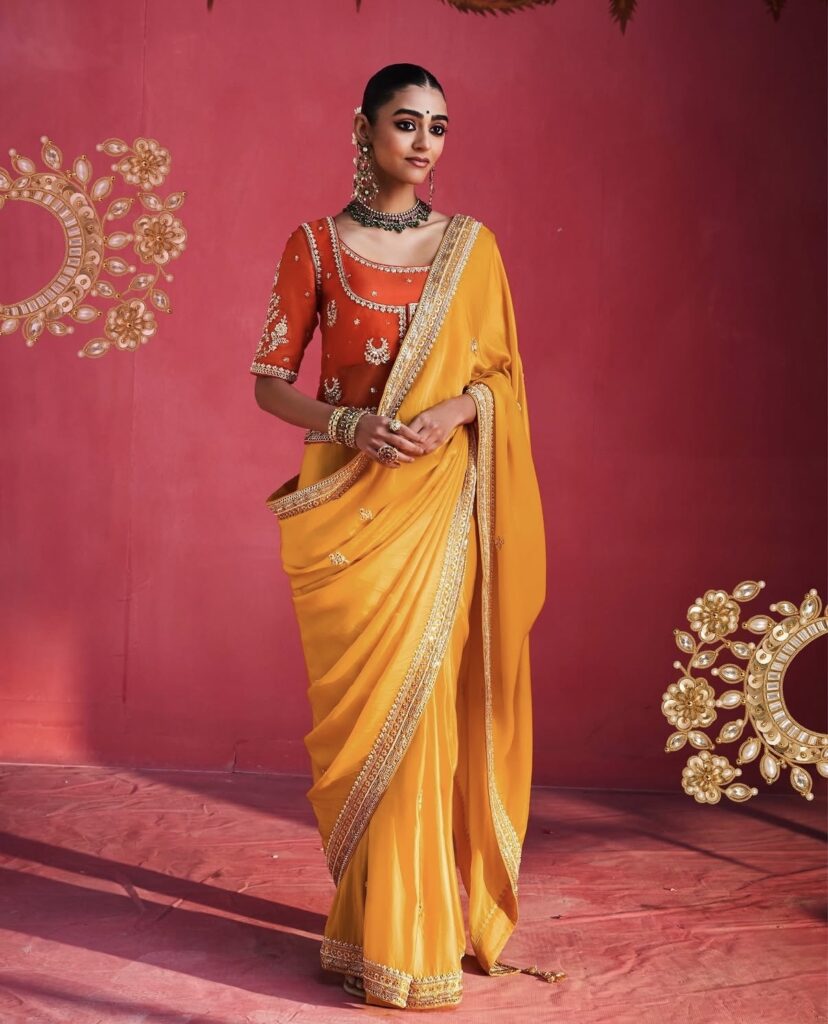
Surat has mastered manufacturing. The next challenge is building stronger brands through cash-flow discipline, original design, premiumisation and a new generation of Managing Directors.
By Mahesh Choudhary
Managing Director, Nari Design
1. Surat Has Built the Machine. Now It Must Build the Brand.
Surat’s textile ecosystem is an industrial marvel. Our city seamlessly integrates every tier of the production supply chain: weaving, processing, dyeing, printing, embroidery, digital surface development, zari, garment manufacturing, wholesale hubs, domestic distribution, and global exports.
NITI Aayog’s economic plan highlights over 500 textile mills, 1,000+ dyeing and printing units, nearly 30,000 weaving operations, 5,000+ garment factories, and around 200 wholesale markets across the Surat Economic Region, noting that approximately 95% of these businesses operate as MSMEs.
Having constructed one of the most formidable manufacturing powerhouses in the world, a fundamental question emerges: What is stopping Surat from evolving into a globally recognized premium fashion ecosystem?
The primary challenge is no longer expansion of raw manufacturing capacity it is the elevation of management quality, strategic differentiation, and high value creation.
2. The Payment Cycle: When Turnover Becomes a Trap
Consider the standard operational sequence for a textile manufacturer:
{Raw Material} {Production} {Inventory} {Sale} {Credit} {Collection}
A manufacturer deploys significant capital long before receiving liquidity. Textile trade bodies across Surat have repeatedly raised concerns regarding extended credit terms and delayed payments, with major trader associations like FOSTTA actively addressing large volumes of outstanding receivables.
As Managing Directors, we must confront a direct question: Is a high volume order truly a victory if it creates a crippling working capital bottleneck?
3. Sales Growth vs. Business Growth
Turnover alone does not define enterprise health.
- Company A: Generates ₹100 crore in turnover, operates on extended payment cycles, maintains high inventory levels, runs thin margins, and relies heavily on a small group of high-volume buyers.
- Company B: Generates ₹60 crore in turnover, enforces strict credit terms, commands strong margins, maintains controlled inventory, and holds a diversified, loyal customer base.
While Company A exhibits higher activity, Company B commands structural stability.
Sales measure activity. Cash flow measures financial discipline. Margin measures economic quality. Repeat customers measure trust. Brand equity measures future potential.
4. The Hidden Cost of Cheap Credit
Prolonged credit cycles extend far beyond accounting inconveniences. They inflict widespread operational friction:
- Heightened debt financing and interest burdens
- Delayed settlements to essential vendors and suppliers
- Inflexible inventory accumulation
- Depressed allocations for original R&D and design
- Reduced operational agility
- Over-reliance on large wholesale intermediaries
- Pressure to accept low margin, high risk orders
Payment terms are not merely administrative details they are strategic management decisions.
5. When Design Becomes a Screenshot
When a successful premium concept enters the market, a prevalent industry reflex is immediate imitation rather than original development.
Traditional Volume Approach:
See → Copy → Produce → Price-cut → Sell
Premium Brand Approach:
Research → Concept → Fabric → Colour → Surface Development → Prototype → Test → Produce
Building a resilient brand requires shifting away from reactionary replication toward intentional product development.
6. Trend Research Is Not Copying
Systematic trend intelligence involves evaluating international runway movements, Indian designer portfolios, global color forecasts, material innovations, social media signals, and evolving consumer demographics.
The core leadership question must be: What can we create from this intelligence that authentically belongs to our brand identity? That distinction marks the boundary between copying a market and leading it.
7. Why Copying Creates a Weak Business Model
Relying on product imitation triggers a destructive economic loop:
{Product Replication} {Market Saturation} {Price Degradation} {Margin Compression} {Credit Dependence} {Reduced Design Capital}
When everyone offers the same design, the only remaining differentiators are lower prices and longer credit terms.
8. The Opportunity: From Sarees to Fashion
Surat’s infrastructure is fully capable of supporting a broader fashion spectrum: premium sarees, designer blouses, lehengas, contemporary silhouettes, co-ord sets, and festive occasion wear.
Industry initiatives such as CMAI’s garment conclave in Surat underscore the region’s expanding garment ambitions. This trajectory aligns directly with NITI Aayog’s strategic recommendation for Surat to transition from high volume, low value manufacturing to high value creation and direct global market access.
9. From Saree Manufacturer to Fashion House
Traditional Model:
Fabric → Saree → Wholesale Bulk
Modern Value-Chain Model:
Consumer Insight → Design R&D → Fabric Tech → Surface Development → Saree & Garmenting → Brand Storytelling → Digital & Global Channels
Expanding along the value chain allows manufacturers to capture margin at the point of customer connection rather than surrendering it entirely to intermediaries.
10. The New Premium Consumer
Today’s younger drape consumers prefer lighter fabric blends, effortless draping, versatile styling, contemporary blouse options, and refined aesthetics over sheer weight. Market movements demonstrate a surge in demand for lightweight occasion wear tailored for Gen-Z and younger professionals.
The modern consumer isn’t abandoning traditional attire they want traditional attire redesigned for modern utility.
11. Premium Does Not Mean Heavier
There is a distinct difference between product density and product value:
- Heavy: Maximizing ornament density and embroidery volume.
- Premium: Integrating superior base fabrics, thoughtful color harmony, precise finishing, comfort, and unique design protection.
Luxury in modern garmenting relies on restraint, drape, and structural quality rather than excess weight.
12. The Managing Director as the Bridge
The modern Managing Director must connect creative vision directly to financial execution:
┌───────────────────────┐
                  │   Managing Director   │
                  └───────────┬───────────┘
          ┌───────────────────┼───────────────────┐
          ▼                   ▼                   ▼
    FINANCIALS             CREATIVITY           OPERATIONS
 ├─ Capital Allocation   ├─ Original Design   ├─ Quality Control
 ├─ Margin Structure     ├─ Fabric R&D        ├─ Lead Times
 └─ Cash Flow Cycles     └─ Brand Story       └─ Tech Integration
The MD’s role is not to choose between creativity and finance. The MD’s role is to make creativity financially sustainable.
13. The Modern MD Dashboard
To maintain balanced oversight, executives should monitor ten key performance indicators:
Category Key MetricStrategic Focus Financial Health
- Revenue Top line scale
- Gross Margin Economic quality per unit
- Receivable DaysCash conversion velocity
- Inventory Days Working capital efficiency Design Integrity
- Proprietary Design RevenueValue generated from original R&D Market Traction
- Repeat Customer RateBrand trust and product satisfaction
- Return / Defect RateQuality control consistency Operations
- Production Lead TimeResponsiveness to trend cycles Distribution
- International Revenue %Global market diversification
- D2C Contribution Direct consumer relationship strength
14. Treat Design as Capital: Introducing RODI
Design is not an operational expense it is a long term capital investment that builds pricing power.
{RODI (Return on Design Investment)} {Net Margin Premium Generated by Original Design} {Total R\&D, Sampling, and Development Cost}
Investing in original fabric development, motif creation, and prototype sampling yields proprietary assets that command higher gross margins and insulate the business from price wars.
15. Limited Production as a Management Strategy
Maximum volume output often leads to inventory overhang and margin dilution. A controlled, data led production cycle provides a sustainable alternative:
{Research} {Prototype} {Small Batch} {Market Data} {Controlled Scale}
This methodology minimizes unsold inventory risk, preserves cash flow, maintains product exclusivity, and keeps design offerings agile.
16. What Nari Design Represents
At Nari Design, our approach rests on a clear principle: premium manufacturing is not about maximizing raw output it is about delivering original design, high grade base fabrics, and consistent finishing for an evolving global market. By focusing on proprietary design protection, disciplined inventory, and structured management, we aim to build lasting brand equity alongside our industrial scale.
17. Surat’s Next Transformation: From Volume to Value
Surat’s broader industrial evolution requires a coordinated shift across seven operational fronts:
Volume              ───►  Value
Trader Dependence   ───►  Brand Ownership
Copying             ───►  Original R&D
Extended Credit     ───►  Cash-Flow Discipline
Single Product      ───►  Broader Fashion Ecosystem
Regional Domestic   ───►  Global Reach
Commodity Output    ───►  Design-Led Manufacturing
18. The Five Principles of the Future Surat Fashion Company
- Originality: Establish a distinct visual identity rather than reproducing current market noise.
- Financial Discipline: Ensure top line growth never compromises working capital or cash conversion.
- Premiumisation: Compete on material innovation and craftsmanship rather than price degradation.
- Category Diversification: Expand from single item supply into complete fashion solutions.
- Visionary Management: Build scalable operational systems designed for long term equity rather than single season turnover.
19. The Final Question for Leadership
Five years from now, what do you want your enterprise to be known for?
- The lowest price?
- The largest unbranded volume?
- The fastest market copy?
Or a recognized design identity, uncompromised quality, disciplined management, and an enduring brand?
Surat possesses the machinery, the talent, the supply chain, and the market access. The next competitive advantage will not come from how much we produce it will come from the originality, discipline, and vision behind what we create.
Manufacturing creates products. Management creates systems. Original design creates differentiation. But vision creates brands.